
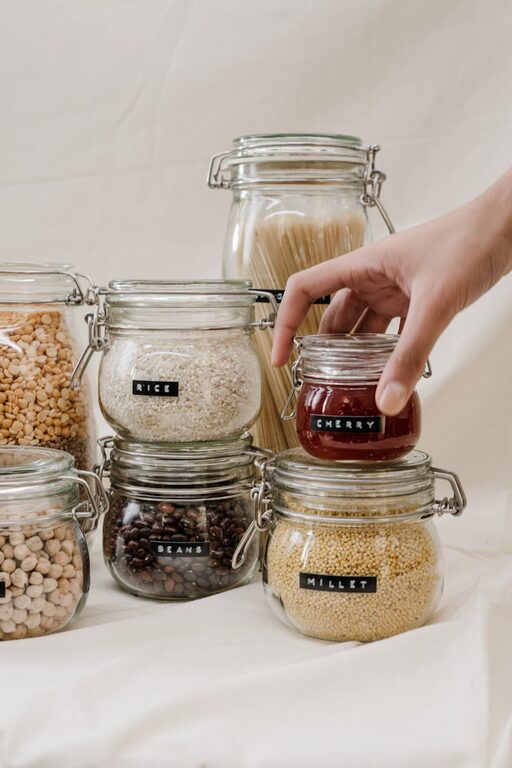
When it comes to meal planning, your pantry can be one of your best resources. Learning how to plan meals from pantry staples not only saves time and money but also reduces food waste and helps you stay organized. Whether you’re new to meal planning or looking for fresh ideas, this guide will walk you through practical steps to make the most of what you have on hand.
Why Use Pantry Staples for Meal Planning?
Pantry staples—such as grains, beans, canned goods, and spices—are versatile ingredients that have a long shelf life. By planning meals around these items, you can:
– Cut down on last-minute grocery trips
– Save money by using what you already have
– Reduce food waste by preventing expired products
– Create balanced, nutritious meals with minimal effort
Step 1: Take Inventory of Your Pantry
Before you start planning, take a few minutes to inventory your pantry. Look for items like:
– Dry goods (rice, pasta, quinoa, lentils)
– Canned goods (beans, tomatoes, tuna, broth)
– Baking essentials (flour, sugar, baking powder)
– Spices and herbs
– Oils and vinegars
– Nuts, seeds, and dried fruits
Write everything down, noting quantities if possible. This will give you a clear idea of your options and inspire meal ideas.
Step 2: Group Ingredients by Category
Organizing your list into groups can help you see combinations that work well together. Common categories include:
– Grains and starches
– Proteins (canned beans, tuna, nuts)
– Vegetables (canned or jarred)
– Sauces and condiments
– Flavorings (spices and herbs)
Grouping ingredients makes it easier to mix and match for balanced meals.
Step 3: Choose Your Meal Types
Decide on the types of meals you want to prepare—breakfast, lunch, dinner, and snacks. Consider meals that complement each other through the week to minimize shopping needs. For example:
– Breakfast: Oatmeal with nuts and dried fruit
– Lunch: Grain bowls with beans and roasted veggies
– Dinner: Pasta with tomato sauce and tuna
Step 4: Create Meal Combinations Using Pantry Staples
Here are some ideas to get started:
Simple Grain Bowls
Combine cooked rice or quinoa with canned beans, some spices, and a drizzle of olive oil. Add any jarred or fresh veggies you have for added nutrition.
Pasta Dishes
Use pasta from your pantry with canned tomatoes, garlic powder or fresh garlic, and dried herbs for a quick marinara sauce. Incorporate canned tuna or beans for protein.
Soups and Stews
Use broth or stock as a base and add canned beans, lentils, rice, and seasoned canned tomatoes. Enhance flavor with onion powder, dried herbs, and pepper.
Snacks and Breakfast Options
Oatmeal with cinnamon, nuts, and dried fruit makes a quick breakfast. Nut butters, crackers, and canned fruit can be easy snacks.
Step 5: Make a Weekly Meal Plan
Plan your meals for the week based on what you found in your pantry. Write them down or use a digital planner. Here’s a sample daily plan:
– Monday: Lentil soup with rice
– Tuesday: Pasta with tomato sauce and canned tuna
– Wednesday: Bean and rice bowl with spices and olive oil
– Thursday: Oatmeal topped with nuts and dried fruit
– Friday: Quinoa salad with canned vegetables and vinaigrette
By planning meals like this, you ensure you’re using what you have, and you reduce the chance of food spoilage.
Step 6: Supplement with Fresh Ingredients As Needed
While pantry staples are great for filling out meals, adding fresh produce or proteins can bring meals to life. Buy what you need to supplement rather than building meals entirely around new groceries.
Tips for Maintaining Your Pantry for Easy Meal Planning
– Keep it organized: Use clear containers and label shelves so you know where everything is.
– Rotate stock: Use older items first to prevent waste.
– Restock essentials: Regularly check and refill commonly used items to avoid running out.
– Be flexible: Don’t hesitate to get creative by mixing ingredients or trying new spices.
Conclusion
Planning meals from pantry staples is an excellent way to eat well without stress. It encourages creativity, saves money, and makes cooking at home simpler. Start by organizing your pantry, taking stock of what you have, and creating meal combinations that fit your taste and lifestyle. With a little practice, pantry cooking can become your go-to approach for delicious, hassle-free meals.
Happy cooking!