
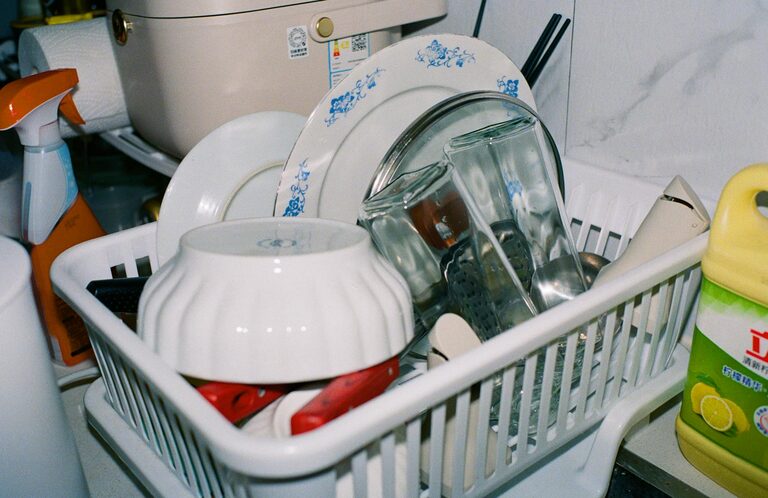
Cleaning up after dinner can often feel like a dreaded chore, but it doesn’t have to take up a lot of your time or energy. With some simple strategies and a little planning, you can make the dinner cleanup process easier and more efficient—and even enjoy it a bit! In this post, we’ll explore a variety of practical ideas to simplify your evening routine.
1. Clean as You Cook
One of the best ways to reduce the pileup of dirty dishes is to clean while you’re cooking.
– Wash utensils and bowls immediately after use. Whenever you finish mixing or using a utensil, give it a quick rinse or wash. This keeps your sink manageable.
– Use a bowl for scraps. Instead of running back and forth to the trash, have a designated container for peels and food scraps.
– Wipe spills and counters right away. This prevents stains and crumbs from building up, so the actual cleanup after dinner is quicker.
2. Use Fewer Dishes When Possible
Minimizing the number of items used can drastically reduce cleanup time.
– Cook in one-pot or one-pan recipes. Think casseroles, sheet pan dinners, or skillet meals.
– Serve family-style dishes. Instead of plating each portion separately, serve food on platters or in bowls from the stove or oven.
– Choose multi-use tools. For example, use a large mixing bowl for multiple steps or measure ingredients in the same container.
3. Soak Pots and Pans Immediately
For stubborn food stuck on pots and pans, soaking right after cooking can save scrubbing later.
– Fill the items with warm, soapy water.
– Let them sit while you eat or during your post-dinner routine.
– This softens residue and makes washing easier and faster.
4. Enlist Everyone’s Help
Dinner cleanup doesn’t have to fall on one person. Make it a team effort.
– Assign roles. Kids can clear the table, rinse dishes, or wipe surfaces. Adults can load the dishwasher or wash pots.
– Create a cleanup playlist. Music can make the task more enjoyable and keep everyone motivated.
– Turn cleanup into a game. Challenge family members to finish tasks in a set amount of time.
5. Use a Dishwasher Efficiently
If you have a dishwasher, learn how to make the most of it.
– Scrape, don’t rinse completely. Modern dishwashers work best with a little food residue. Avoid rinsing everything off which wastes water.
– Load strategically. Place utensils in the basket handles down, arrange plates and bowls facing the spray, and avoid overcrowding.
– Run full loads. This saves energy and water, making dishwasher use more efficient.
6. Keep Your Cleaning Supplies Handy
Having your tools within reach makes cleanup smoother.
– Store dish soap, sponges, brushes, and towels near the sink.
– Use a sink caddy or organizer to keep everything neat.
– Replace sponges and cloths regularly to keep cleaning hygienic.
7. Clean the Table Immediately After Dinner
Instead of letting dishes and crumbs sit, clear the table right away.
– Get everyone involved in putting away leftovers.
– Wipe down the table with a damp cloth or surface cleaner.
– This prevents sticky residue and stops ants or other pests from being attracted to your kitchen.
8. Prep Your Trash and Recycling Before You Start
Make disposal of waste easier by preparing beforehand.
– Have separate bins or bags accessible for food scraps, recycling, and trash.
– Line your trash can with a sturdy bag that you can quickly tie and remove.
– Compost food scraps when possible to reduce waste.
9. Use Time-Saving Tools and Products
Certain tools can help speed up cleanup.
– Silicone spatulas and utensils are easy to clean and durable.
– Non-stick pans reduce stuck-on food.
– Disposable parchment paper or foil for baking sheets cut down on washing.
– Consider kitchen gadgets like garbage disposals or countertop compost bins.
10. Develop a Post-Dinner Cleanup Routine
Having a consistent routine turns cleanup into a habit.
– Spend 10-15 minutes after dinner tidying up.
– Make it a daily practice to avoid big messes building up.
– A quick nightly tidy contributes to a cleaner kitchen and less stress.
—
Final Thoughts
Dinner cleanup doesn’t have to be overwhelming. By incorporating these simple ideas, you can streamline the process and make it much easier for yourself and your family. Whether you’re cooking for one or many, a little organization and teamwork go a long way. Try out these tips and find the combination that works best for your home—soon, cleanup will feel like just another part of your mealtime routine!
Happy cooking and cleaning!