
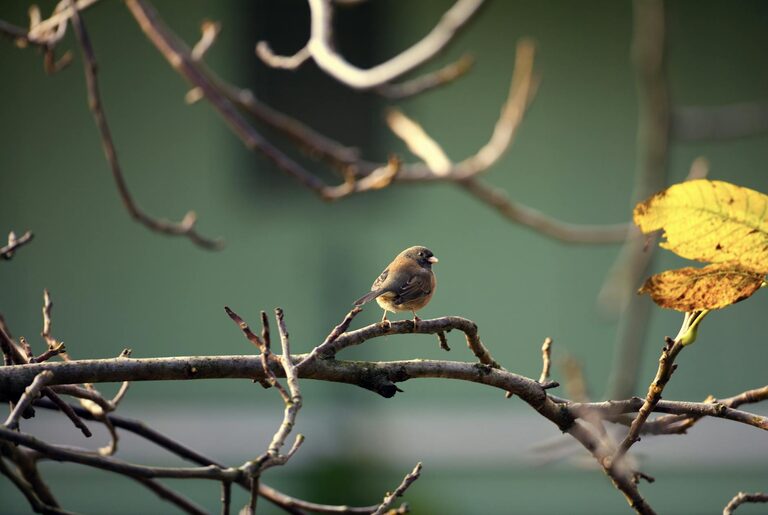
Birdwatching is a rewarding and relaxing hobby that allows you to connect with nature right in your own backyard. Whether you live in the city or the countryside, watching birds can bring joy and a greater appreciation for the natural world. If you’re new to birdwatching, this guide will provide beginner tips to help you get started, attract birds, and enjoy observing them safely and responsibly.
Why Backyard Birdwatching?
Backyard birdwatching is one of the easiest ways to begin birding because you don’t need special gear or travel far. It’s accessible to people of all ages and can be done at your own pace. Plus, it offers a wonderful opportunity to learn about local bird species and their behaviors.
Essential Equipment for Beginners
Before diving in, here are some simple tools that can enhance your birdwatching experience:
– Binoculars: While optional, a basic pair of binoculars helps you see birds more clearly without disturbing them.
– Bird Guidebook or App: Use a field guide or smartphone app to identify species by appearance, song, or behavior.
– Notebook: Jot down your observations to track the birds you see and note interesting details.
– Camera (Optional): A camera with a zoom lens can help you document your sightings.
Create a Bird-Friendly Backyard
Attracting birds to your yard makes watching easier and more enjoyable. Follow these tips to create a welcoming environment for local birds:
Provide Food
– Bird Feeders: Set up one or more feeders with seeds, suet, or nectar depending on the birds in your area. Common feeder types include tube, platform, and hummingbird feeders.
– Choose the Right Seeds: Black oil sunflower seeds are popular and attract many species. Nyjer seeds welcome finches, while suet cakes attract woodpeckers and nuthatches.
Offer Water
– Bird Baths: Clean, shallow water sources encourage birds to visit for drinking and bathing. Keep water fresh and ice-free in cold weather.
– Moving Water: A bubbler or small fountain can attract more birds as the sound alerts them to water nearby.
Provide Shelter
– Native Plants: Plant bushes, trees, and shrubs that offer food, cover, and nesting sites.
– Nest Boxes: Consider putting up birdhouses designed for local cavity-nesting species.
– Avoid Chemicals: Minimize pesticide use to protect birds and their food sources.
Learn to Identify Birds
Identification is one of the most exciting aspects of birdwatching. Here are ways to get better at it:
– Observe Carefully: Notice size, shape, colors, markings, behavior, and habitat.
– Listen to Birdsong: Songs and calls are unique to species and can help in identification.
– Use Field Guides or Apps: Apps like Merlin Bird ID or Audubon Bird Guide provide photos, sounds, and tips.
Tips for Successful Birdwatching
– Be Patient and Quiet: Birds are easily startled; try to move slowly and keep noise to a minimum.
– Choose the Right Time: Early morning and late afternoon are peak times when birds are most active.
– Keep a Safe Distance: Use binoculars to avoid disturbing the birds.
– Record Your Sightings: Keeping a log helps you remember what you’ve seen and tracks migration patterns.
Join a Birdwatching Community
Birdwatching can be more enjoyable when shared with others. Consider joining local bird clubs or online forums to share sightings, learn, and participate in citizen science projects like the Audubon Christmas Bird Count or eBird.
Enjoying the Experience
Beyond identification and lists, backyard birdwatching is about connecting with nature and enjoying simple moments. Watching birds feed, sing, or interact offers endless fascination.
Final Thoughts
Starting backyard birdwatching is easy and enriching. With minimal equipment, a little patience, and some preparation, you can invite a variety of birds to your yard and enjoy hours of peaceful observation. Remember to respect wildlife and practice ethical birdwatching by not disturbing nests or feeding harmful foods.
Happy birdwatching!